
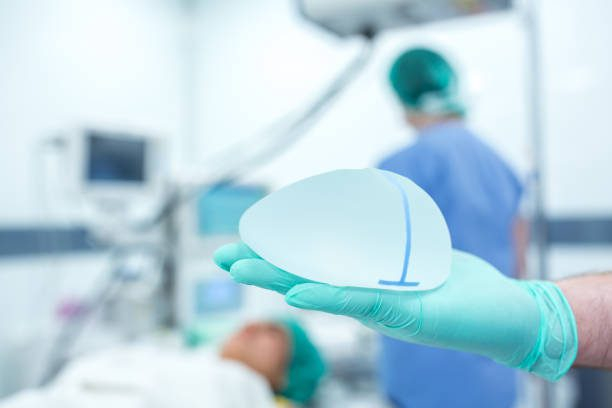
Choosing between different breast implant types can feel overwhelming when you’re trying to balance quality with affordability. The decision affects not just your appearance but your peace of mind for years to come. Understanding factors like the gummy bear implant cost and what drives pricing differences helps you make a choice that aligns with your goals and budget without compromising on safety or satisfaction.
The gummy bear implant cost typically ranges from $6,500 to $12,000 for the complete procedure, which is roughly $1,000 to $2,500 more than traditional saline or standard silicone implants. This price difference reflects advanced manufacturing processes and the unique properties of form-stable implants. You’re essentially paying for enhanced durability and a reduced risk of complications that could require costly revisions down the line.
Traditional silicone and saline implants generally cost between $5,500 and $9,500 total. The lower entry price appeals to many patients, but it’s worth considering what you might sacrifice in exchange for that initial savings. Some women find themselves facing earlier replacement timelines or dealing with concerns about implant rupture that could have been avoided with a more stable option.
Material Composition and Manufacturing
Understanding Cohesive Gel Technology: Gummy bear implants use highly cohesive silicone gel that maintains its shape even if the outer shell breaks. The gel molecules stick together rather than dispersing into surrounding tissue. This advanced formulation requires specialized production methods that drive up manufacturing costs but offer you superior safety margins compared to conventional fillers.
Traditional Silicone Structure: Standard silicone implants contain less cohesive gel that flows more freely within the shell. Saline implants simply hold sterile salt water. These simpler designs cost less to produce and have been used successfully for decades. The trade-off is that they may feel less natural and carry different risk profiles that you should weigh carefully against potential savings.
Price Range Comparison
Initial Investment Costs: The procedure cost includes the implants themselves, surgeon fees, anesthesia, facility charges, and post-operative care. Gummy bear implants add $800 to $2,000 to your base price because of their proprietary gel formulation. Your geographic location and surgeon’s experience level also influence the final bill, sometimes by several thousand dollars regardless of implant type chosen.
Long-Term Value Considerations: Think beyond the upfront expense when comparing options. Gummy bear implants may last 15 to 20 years or longer before needing replacement, while traditional implants often require revision within 10 to 15 years. Revision surgeries typically cost $5,000 to $10,000 each. One additional procedure could eliminate any initial savings you gained by choosing less expensive implants originally.
Longevity and Replacement Factors
Durability Expectations: Form-stable implants resist common complications that lead to premature replacement. Their structure helps prevent:
- Rippling or wrinkling that creates visible distortions under thin skin coverage.
- Shape distortion over time that affects aesthetic outcomes and patient confidence.
- Gel migration in case of shell compromise, reducing health risks and revision urgency.
- Capsular contracture rates appear lower with textured gummy bear surfaces in some studies.
Warranty Coverage Differences: Most manufacturers offer lifetime warranties on shell integrity for both implant types. Gummy bear implants often include enhanced coverage for capsular contracture and other complications within the first decade. Traditional implant warranties may have more exclusions or shorter coverage periods. Review warranty terms carefully since out-of-pocket revision costs can quickly surpass any money saved on cheaper implants initially.
Patient Satisfaction and Outcomes
Natural Feel and Appearance: Gummy bear implants maintain projection and shape without relying on gravity or tissue support. They feel firmer than traditional silicone but many patients prefer this trade-off for consistent aesthetics. Traditional implants offer a softer feel that some women find more natural. Your body type and desired look should guide this choice more than cost alone.
Complication Rates: Research suggests gummy bear implants have slightly lower rates of rupture and deflation compared to other types. When problems do occur, the contained gel structure minimizes tissue exposure and often allows for less urgent intervention. Traditional implants may require immediate attention if rupture happens. These factors influence both your safety and potential future expenses that should factor into your cost analysis.
Conclusion
The higher gummy bear implant cost reflects meaningful differences in materials, longevity, and complication risk rather than just premium branding. While traditional implants serve many patients well at lower initial prices, you might find that enhanced durability and safety margins justify the additional investment. Schedule consultations with board-certified plastic surgeons to discuss which option aligns with your anatomy, lifestyle, and financial considerations for the best long-term outcome.
Featured Image Source: https://media.gettyimages.com/id/1279301064/photo/operation-room-plastic-surgery.jpg?s=612×612&w=0&k=20&c=xzx4fgrWze7eAMBlsUU4MVwN8E1ISVLF_3uVNT3OMGU=

